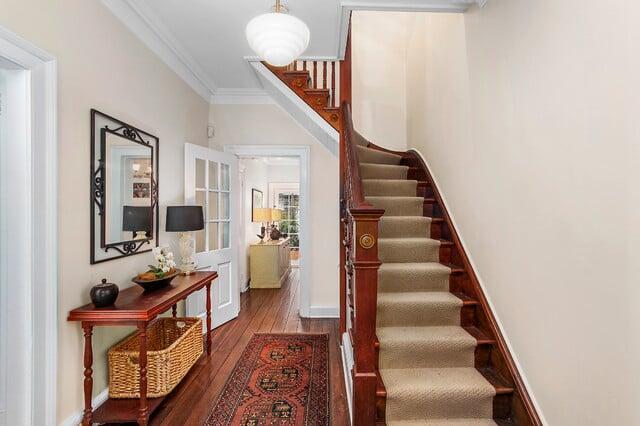
Many families are having the same conversation about stairs, bedrooms and “what next?” – you’re not alone. There’s a moment that comes up more often than people talk about. A parent quietly mentions that they don’t feel as confident on the stairs anymore. A friend says they’ve moved their bedroom downstairs “just for now”. Adult children start wondering if the much-loved family home – with its steep staircase, narrow bathroom or big garden – is still going to work in five years’ time.
None of this means anyone has failed, or that there is one “right” decision to make. It simply means life is changing, and safety, comfort and independence are being weighed up alongside memories, routines and identity. And that is something many families are navigating – often at the same time, in very similar ways.
At Reliant, we see and hear these conversations every week. This article isn’t about telling you to stay, move, downsize or “make a call”. It’s about putting some light on a topic that is already there in the background for many people, and reassuring you that you’re not the only one thinking about it.
Why stairs and “staying upstairs” can quietly become stressful
For many older people, the staircase is the first thing that starts to feel uncertain:
Needing the handrail for the first time.
Avoiding extra trips up and down.
Feeling nervous carrying washing, a cup of tea or a grandchild.
Worrying (often silently) about what a fall would mean.
Families see it too: lights left off, “shortcuts” taken, or small slips that could have been worse. Most people don’t want to make a fuss or be told what to do, so it becomes an unspoken stress.
Choosing to set up life downstairs before there is a crisis can feel like a loss at first – but for some people, it’s actually a way to stay in control, stay in the home they love, and reduce the daily risk that everyone is quietly worried about.
The same goes for downsizing – it’s not always about “giving up”
Downsizing is often framed as a big dramatic step: leaving the family home, letting go of memories, “admitting” you’re getting older.
In reality, many people who move earlier – into a single-level home, a villa, an apartment or a supported setting – describe three main feelings:
Relief: fewer stairs, less maintenance, less worry.
Control: making choices while they are well, instead of after a health event.
Freedom: more time and energy for the things they actually want to do.
Others decide to stay exactly where they are, but with some sensible changes: grab rails, better lighting, safer bathrooms, support workers, or family routines that make life easier.
Both pathways are valid. What matters is that decisions are thoughtful and not made in the panic after a fall or a hospital admission.
You are not the only family having this conversation
If you’re an adult child wondering how to raise these topics without sounding bossy or unkind – you’re in very common company.
If you’re an older person wondering whether it’s “silly” to feel anxious about your own stairs or to think about a move while you’re still relatively well – you’re not being silly at all.
These are normal, responsible questions.
It can help to:
Talk early, when no one is in crisis.
Ask, rather than tell: “How do you feel about the stairs lately?” “What would make you feel safer?”
Focus on independence: “What would help you keep doing things your way for as long as possible?”
Make it a shared problem to solve, not a decision imposed on someone.
Where support can fit in
Good support should never bulldoze people into a decision.
What it can do is:
Offer a safety check of the home – including stairways, bathrooms and access.
Suggest simple changes that preserve dignity and independence.
Give families clear, practical options – from in-home support to exploring new living arrangements – without pressure.
Work alongside the older person’s preferences, not around them.
Either way, if this is something your family is thinking about, please know: you’re not alone, you’re not overreacting, and you don’t have to figure it out quietly in the background.
If you’d like to talk it through with someone neutral who understands both safety and independence, our team is here to listen and help you map out your options – at your pace, and in your way.